

How much does it cost to treat a child?
We’ve made an improvement to how we calculate costs – by which I mean what we actually spend to treat a child.
I’m excited to walk you through this one, because it provides a clearer picture of what the ‘low-cost’ part of our high-love care actually means.
How we’ve done it til now
Until recently, we calculated cost by taking total annual expenditure and dividing it by the number of children treated — a straightforward cost-per-child figure.
In the 2025 annual report, this came out to roughly $2,200 per child – which is a misleading figure, not to mention significantly more expensive than the $1,200 we quote in our fundraising efforts.
So, what makes this misleading?
The reality is that ‘one child’ doesn’t map cleanly onto ‘one unit of care’.
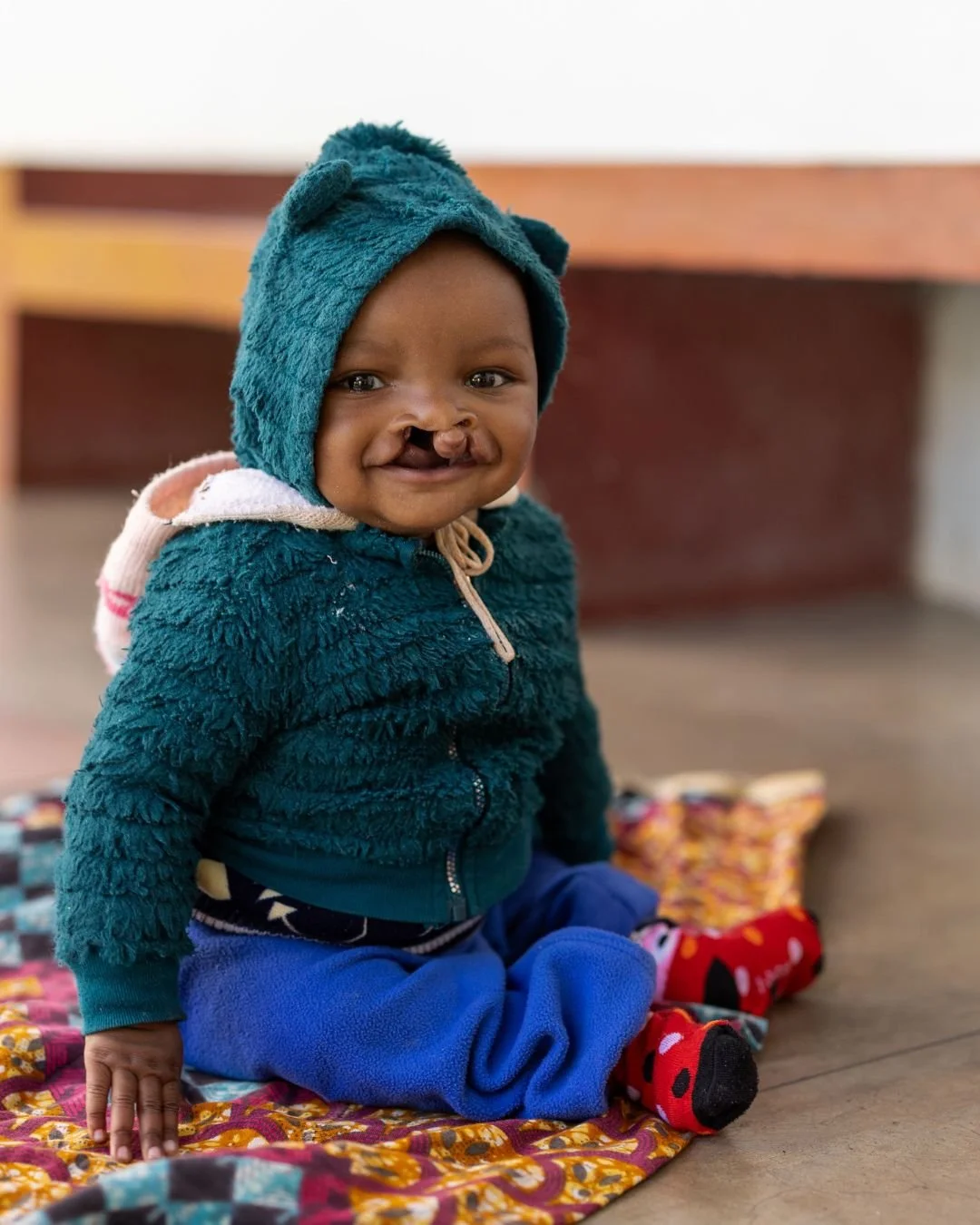
Take the example of a child who arrives malnourished.
We take them through an intake-to-discharge cycle in our ‘Surgery-Strong’ Therapeutic Feeding Programme, just to get them to the point where we can begin to address their condition – and that’s one period of care.
Then, they undergo a cleft lip surgery and recovery, which is another distinct period of care. If they also have a cleft palate, that’s another surgery and recovery – a third period of care.
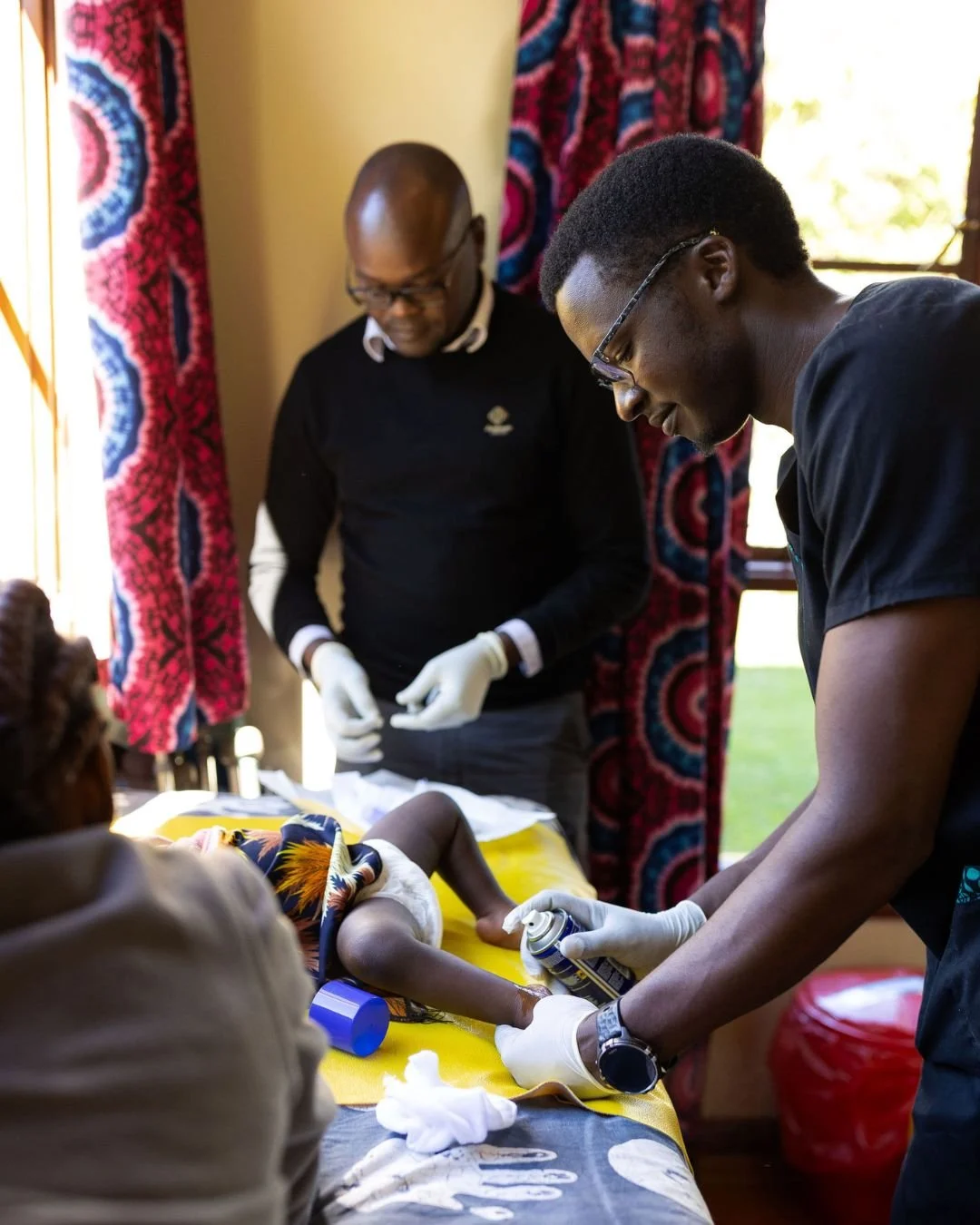
By centering our calculations around the fact that it’s one child, we aren’t representing the three distinct programmes of work, each with its own cost, that took place.
This method of counting misses another piece of the puzzle too.
Our 2025 Annual Report showed 630 children but only 617 surgeries — because conditions like clubfoot that we treated just by casting, or malnutrition, that don't show up as a discrete 'surgery' weren't being captured.
What is an impact?
To address this, we coined the term 'impact' to mean a discrete period of care — so a child can generate multiple impacts if they're treated for multiple conditions, or if they need separate phases of treatment.
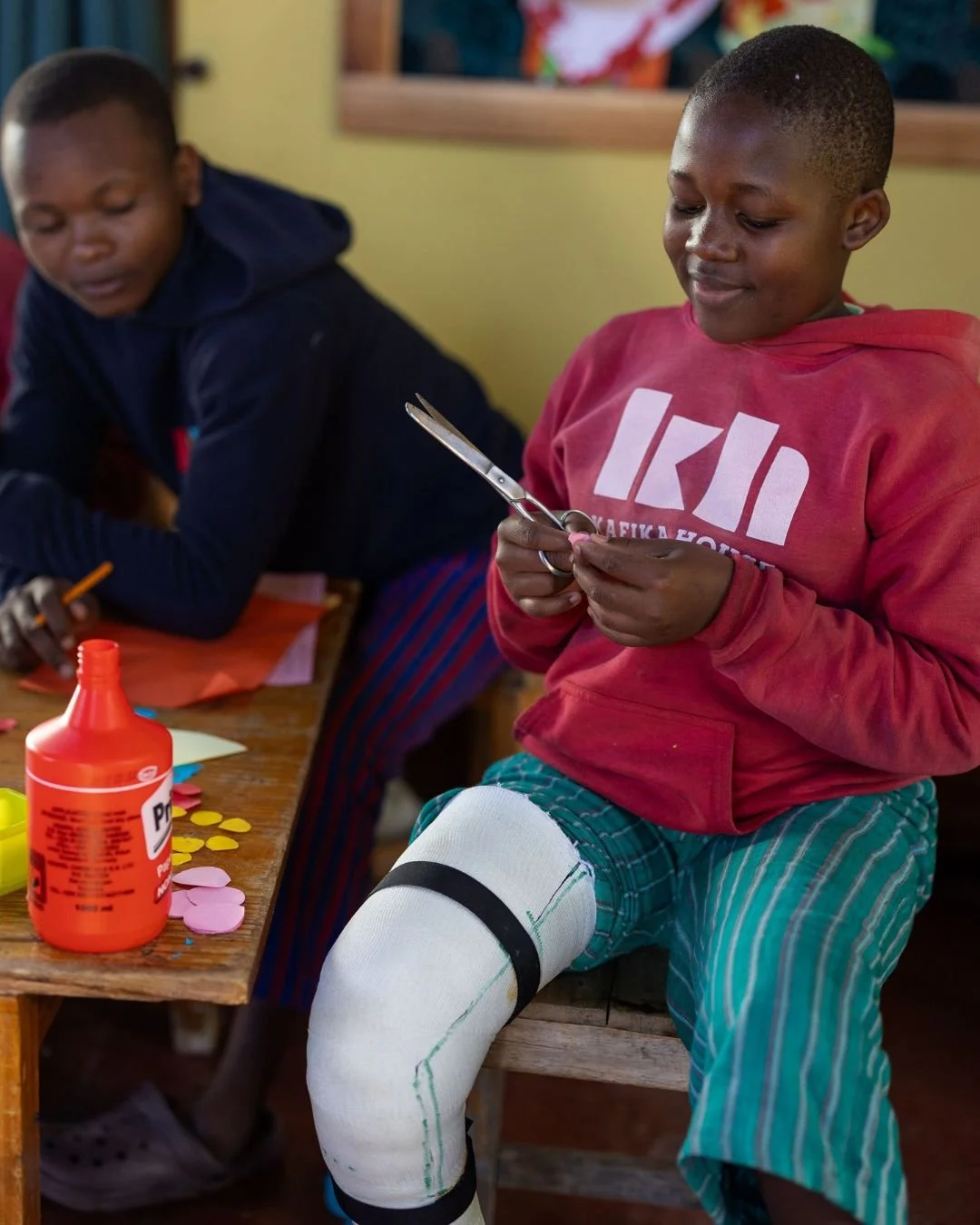
For example, in the first quarter of 2026, 237 children started a new treatment phase, but 166 new impacts were initiated and 140 were completed, broken down by category:
Skeletal fluorosis, burn scar contractures, primary clubfoot, cleft lip, clubfoot in walking age, cleft palate, osteomyelitis, and the Surgery Strong sub-categories of anaemia and malnutrition.
Each of those is counted separately, even where they belong to the same child.
How we’re doing it now
Rather than dividing our spend by the number of children, we now divide it by the number of children multiplied by the average number of impacts per child — currently estimated at around 1.6, though we are working to refine this number.
That recalibration puts the cost at roughly $1,500–1,600 per impact, compared with the $2,200+ per-child figure under the old method.
Why the change?
It's a more honest and complete picture of where the money actually goes, because it reflects the real complexity of care rather than the 'one child, one condition, one surgery, one outcome' story.
Only a portion of children fit that simple pattern; many need multiple periods of treatment over time, sometimes across years, and the old methodology obscured that.
The new approach is also part of a broader effort to build better internal monitoring and evaluation systems.
I’m delighted to be making this shift, and I’m excited for how much richer the data will be going forward. Thank you for joining me for this explainer – it means so much that you’re here.
With love,
Sarah