

All about osteomyelitis
We realised that one of the conditions we treat gets less airtime than many of the others. Skeletal fluorosis is what we see the most, so we talk a lot about it. Clubfoot and cleft lip/palate are common congenital disabilities worldwide, so we often join those conversations. Sadly, open fires in homes are common in rural Tanzania, so burn scar contractures are featured accordingly.
Osteomyelitis though - that’s one we don’t talk as much about, and it’s time we changed that.
It has a reputation for being tricky to treat, and many medical professionals aren’t that optimistic about the odds of a full recovery – but we’ve been quietly pioneering a new approach that’s had a very promising rate of success.
What is osteomyelitis?
Osteomyelitis is an infection of the bone. When it lasts for more than three weeks, it becomes chronic osteomyelitis — a condition that can be extremely difficult to treat.
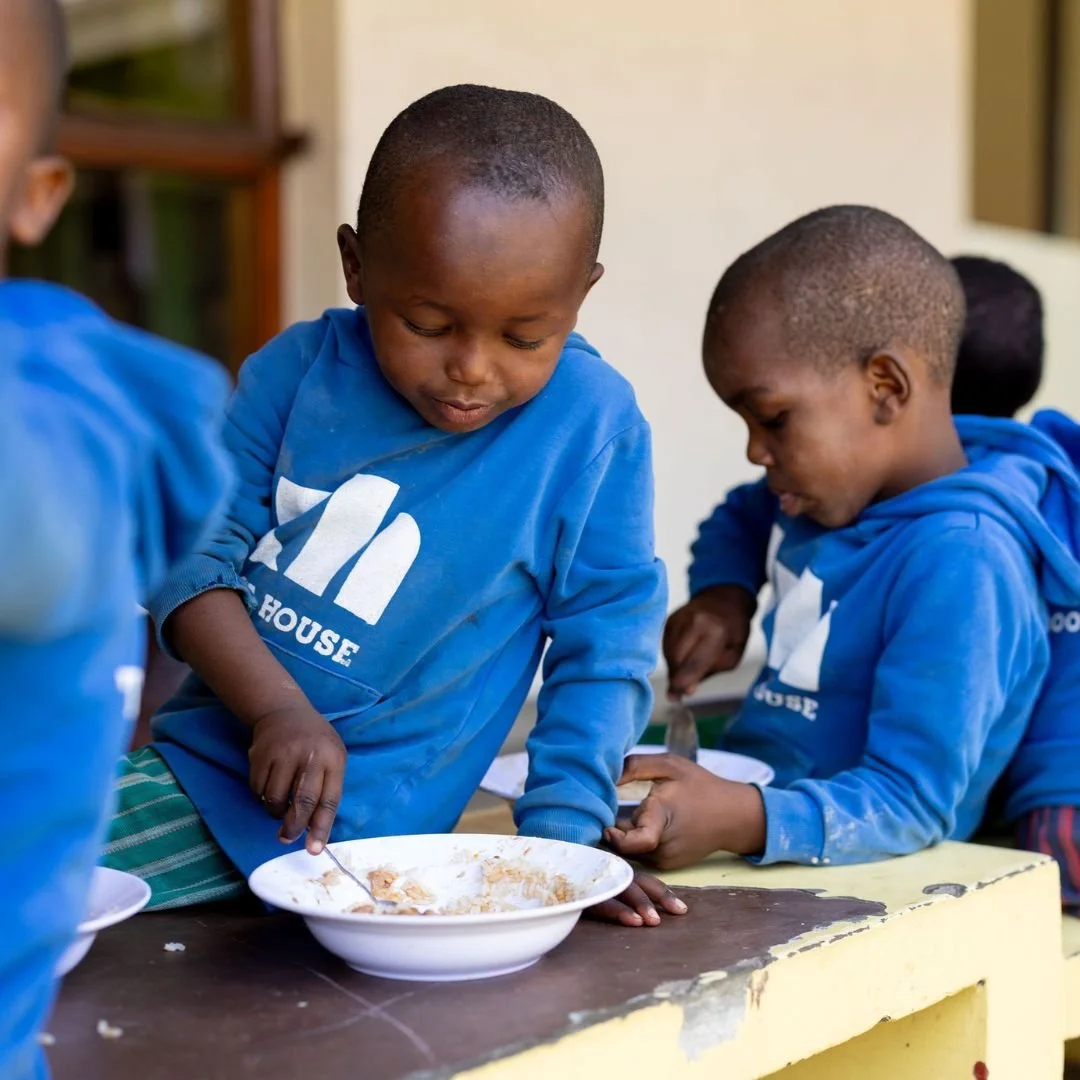
At Kafika House, we see children who have lived with this condition for months or even years.
Many arrive with wounds that refuse to heal; the chronic infection weakens their immune system, which means they are constantly vulnerable to illness, and the inflammation it causes undermines nutrition too.
Why does it happen?
We’ve found that nearly half of the cases we treat stem from old fractures that were never properly managed. Many of these children were first taken to traditional healers who simply splinted the limb.

In closed fractures, where the bone remains under the skin, splinting can be safe and effective.
In open fractures though – where the broken bone has pierced the skin – the exposure can lead to infection.
In cases like these, the wound needs to be properly cleaned and quickly closed, and antibiotics given. When that doesn’t happen, the outcome is often not a good one.
Bones don’t have a rich blood supply, which means fewer white blood cells reach them to fight infection. Once infection takes hold, it can persist indefinitely. This can cause parts of the bone to die, and can even result in the loss of a limb.
Why is it thought of as difficult to treat?
In high-income countries, osteomyelitis is rare and usually caught early; it’s often a side-effect of a blood infection. (Not all osteomyelitis begins with a fracture: the infection can also spread through the bloodstream, or through a wound deep enough to reach the bone.)
Because advanced cases are almost unheard of, there’s very little global guidance on how to treat chronic osteomyelitis, especially in low-resource settings.
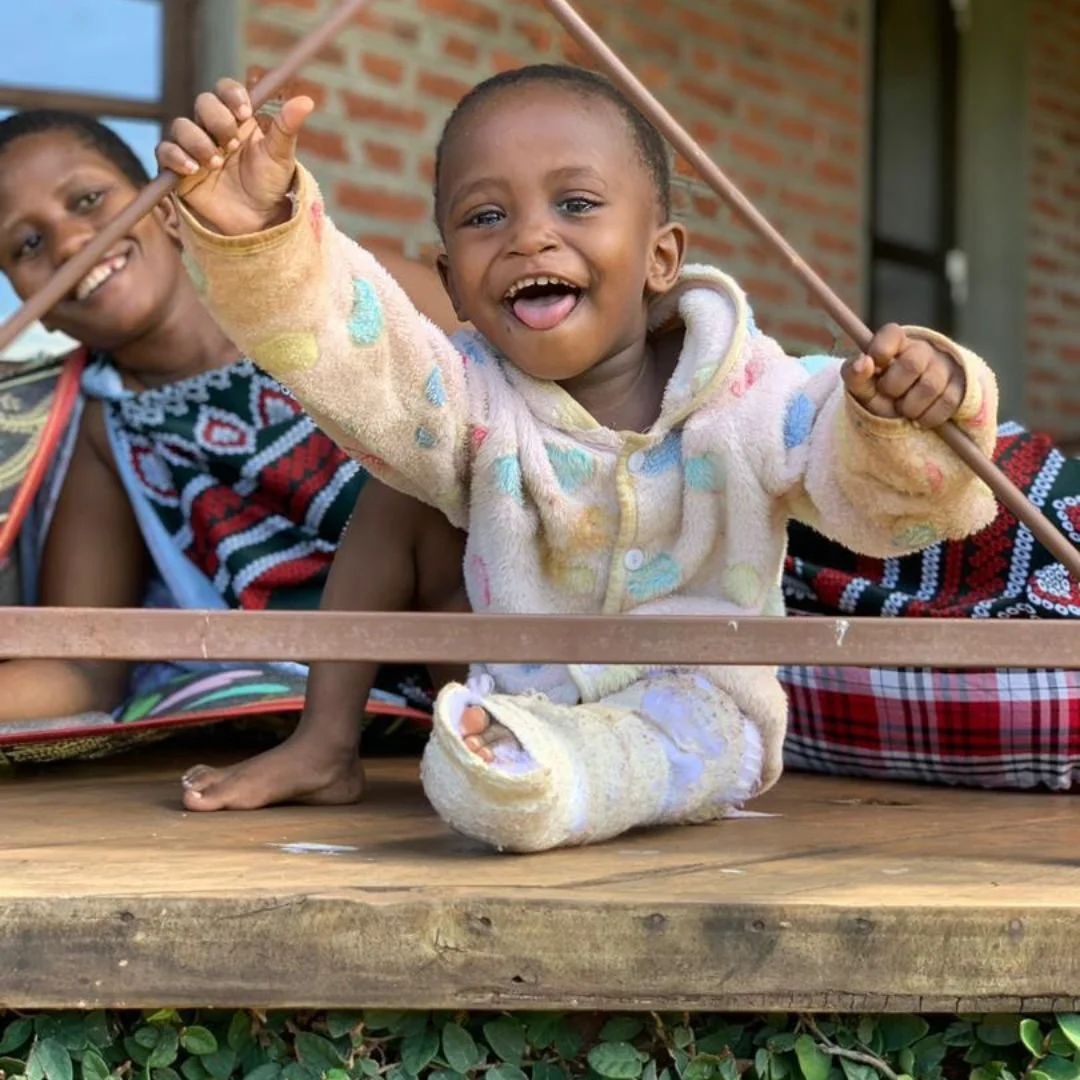
Traditionally, treatment has involved long courses of intravenous antibiotics – which means patients have to stay in hospital, hooked up to a drip, for weeks or months on end.
70% of Tanzanians live in rural areas, which makes access to sustained rehabilitative programmes nearly impossible. On top of this, 74% of children experience multidimensional poverty.
It’s easy to see why this method of treatment is out of reach both geographically and financially, and so many cases go untreated.
The Kafika House model of care

We have been pioneering a different approach.
Our first step is surgery: we remove the dead bone so that the healthy tissue can recover.
Once the source of the infection has been taken out of the equation, the condition becomes much easier to treat.

The next step is antibiotics.
Instead of intravenous – administering by drip – we use oral medication in carefully managed doses.
We use a progression of antibiotics, which is to say if one kind doesn’t work, we move on to the next until we find the kind that is correct for the patient.
This takes close monitoring and regular blood testing to assess the level of infection. These antibiotics are affordable, accessible, and, in most cases, remarkably effective.
On average, children are treated for six months after their final surgery, though we are gradually shortening this duration as outcomes improve.
Once the infection has cleared, reconstructive surgery restores any missing bone — something our consultant orthopaedic surgeon, Dr Makanza, shows great talent for.
Why Kafika House is the ideal setting
We call ours a ‘residential outpatient’ model of care, which means that our patients aren’t staying in hospital - they’re housed at our facility.
This arrangement is perfect for children with chronic osteomyelitis, because they can recover from surgery in a clean, caring environment – and we can ensure total compliance with medication.
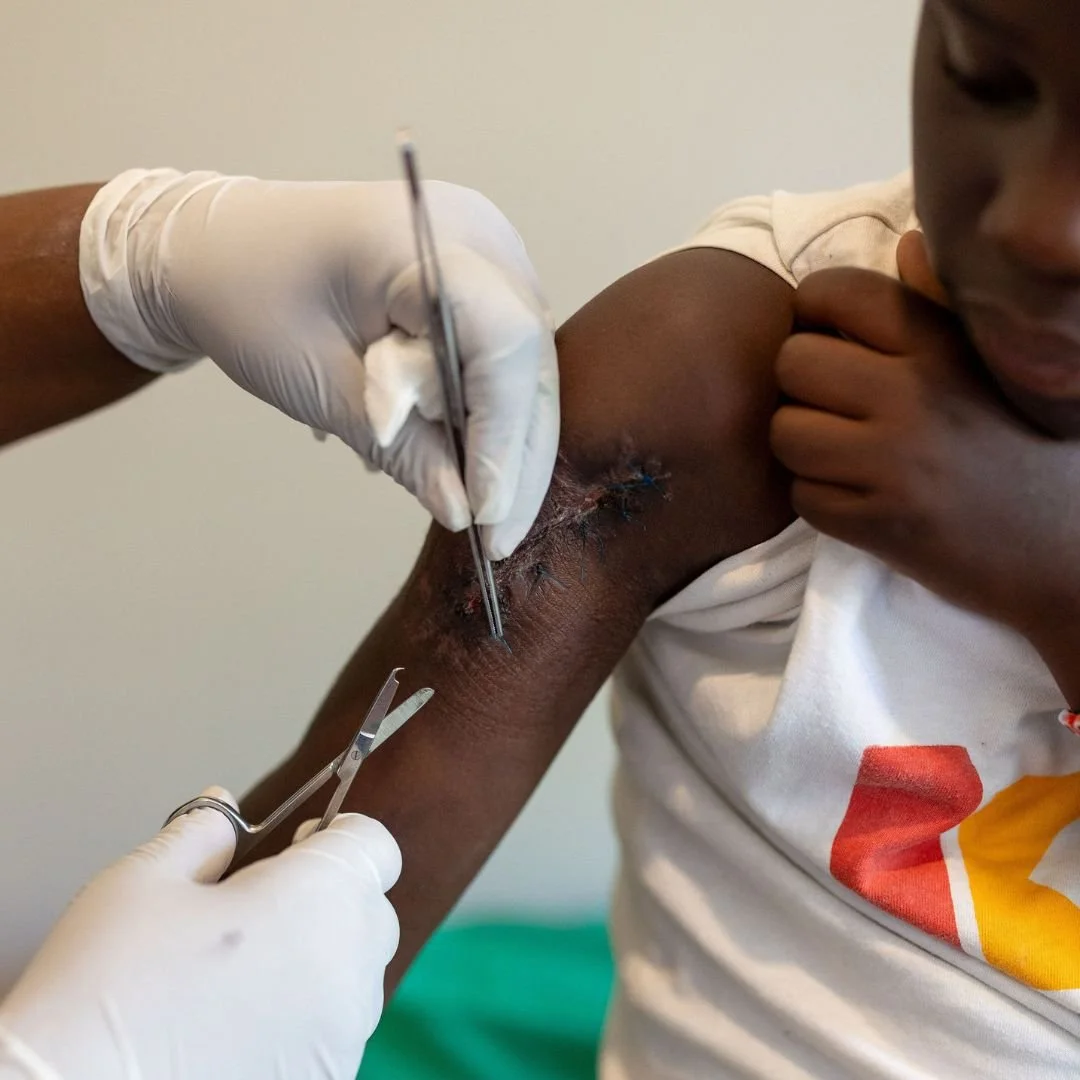
Over the long term, it’s easy to lose track of how long a child has been on antibiotics, but our team is on hand to ensure that doesn’t happen.
We organise regular clinic check-ups and blood tests, and monitor each child carefully in between to ensure the antibiotics are doing their work.
Throughout their treatment, children benefit from plentiful nourishing meals, clean dressings, consistent rehabilitation, and a loving, home-like environment – all the elements that make full recovery possible.
The road ahead
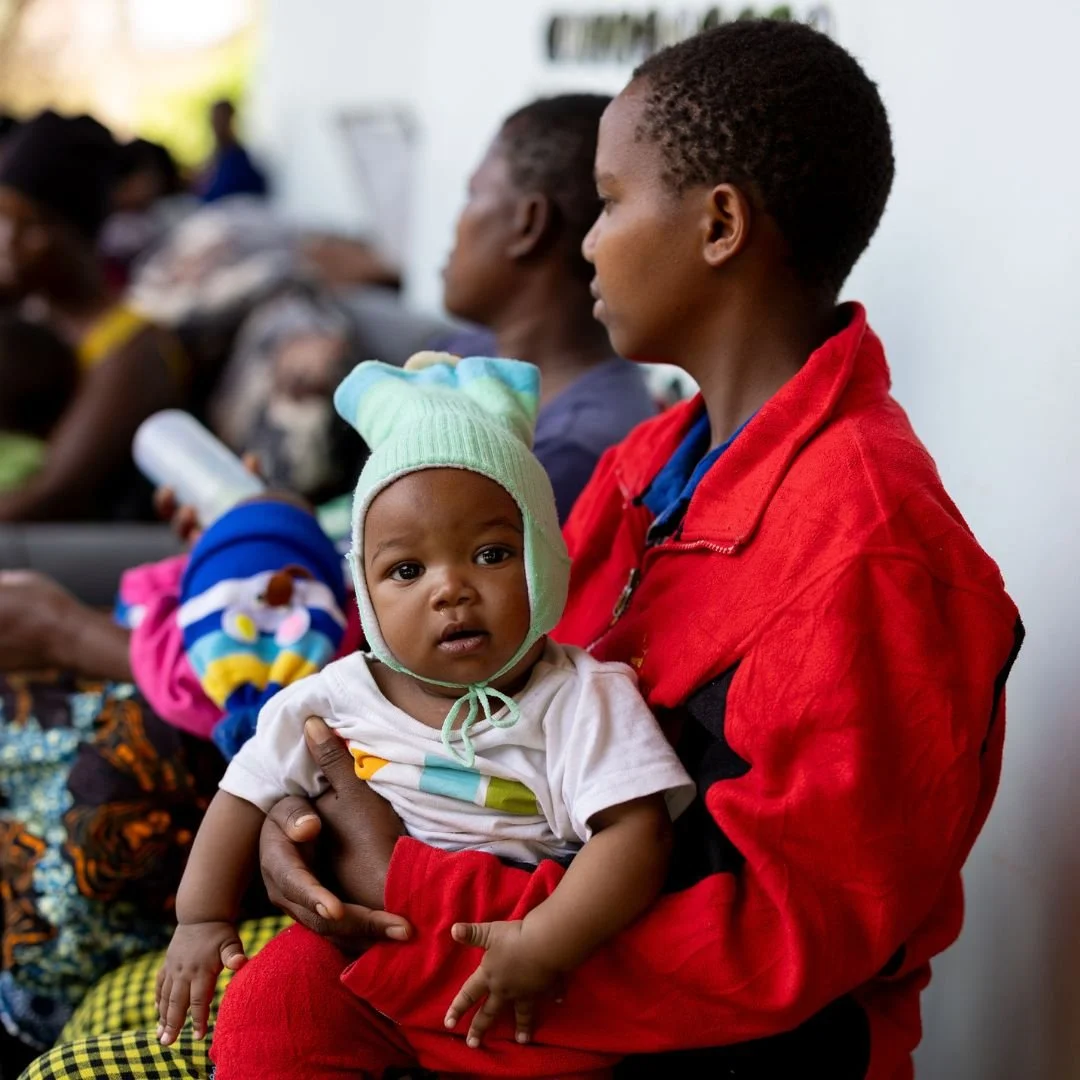
Thanks to the success of our outreach programme, and the families who become Kafika House ambassadors, our overall average patient age of children born with congenital conditions – like cleft lip and palate, and clubfoot – has lowered.
This shows us that mothers are hearing sooner that help is available, and coming to us to seek it.
As word spreads that we can treat children living with chronic osteomyelitis, we hope more will come forward – and that they’ll come sooner, before the infection advances too far.
We’re proud to be charting a new path forward in the treatment of this condition, and to be sharing hope and healing with children who might otherwise have never received care.