

Joseph was born with two feet turned inward. His parents didn’t know what to do about bilateral clubfoot, and they didn’t have the money for hospitals anyway. As Joseph learned to walk, his steps were slow and painful; the bullying at school was bad enough that he stopped going.
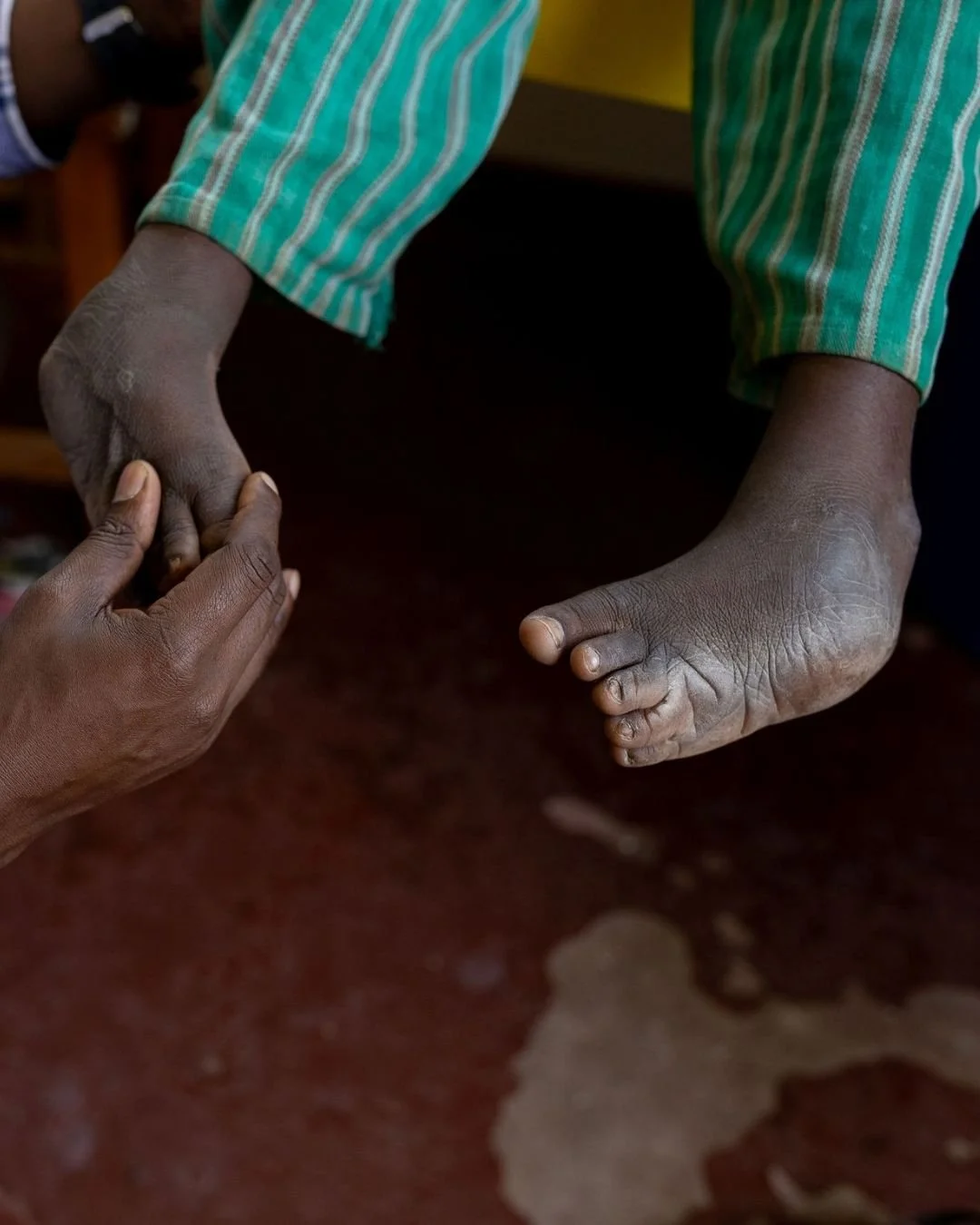
When he was 11, a visitor to his community noticed Joseph, and took him to Kafika House, knowing we’d be able to help - and we did.
His first surgery successfully corrected one foot, and Joseph felt like he’d been given a second chance.
After a year in our care, he was discharged, and went back home with a new sense of possibility.
Unfortunately, his family wasn’t as invested in having his other foot corrected as he was.
After seven years of dwindling hope, he ran away to Kafika House, where he was welcomed just as warmly as before.
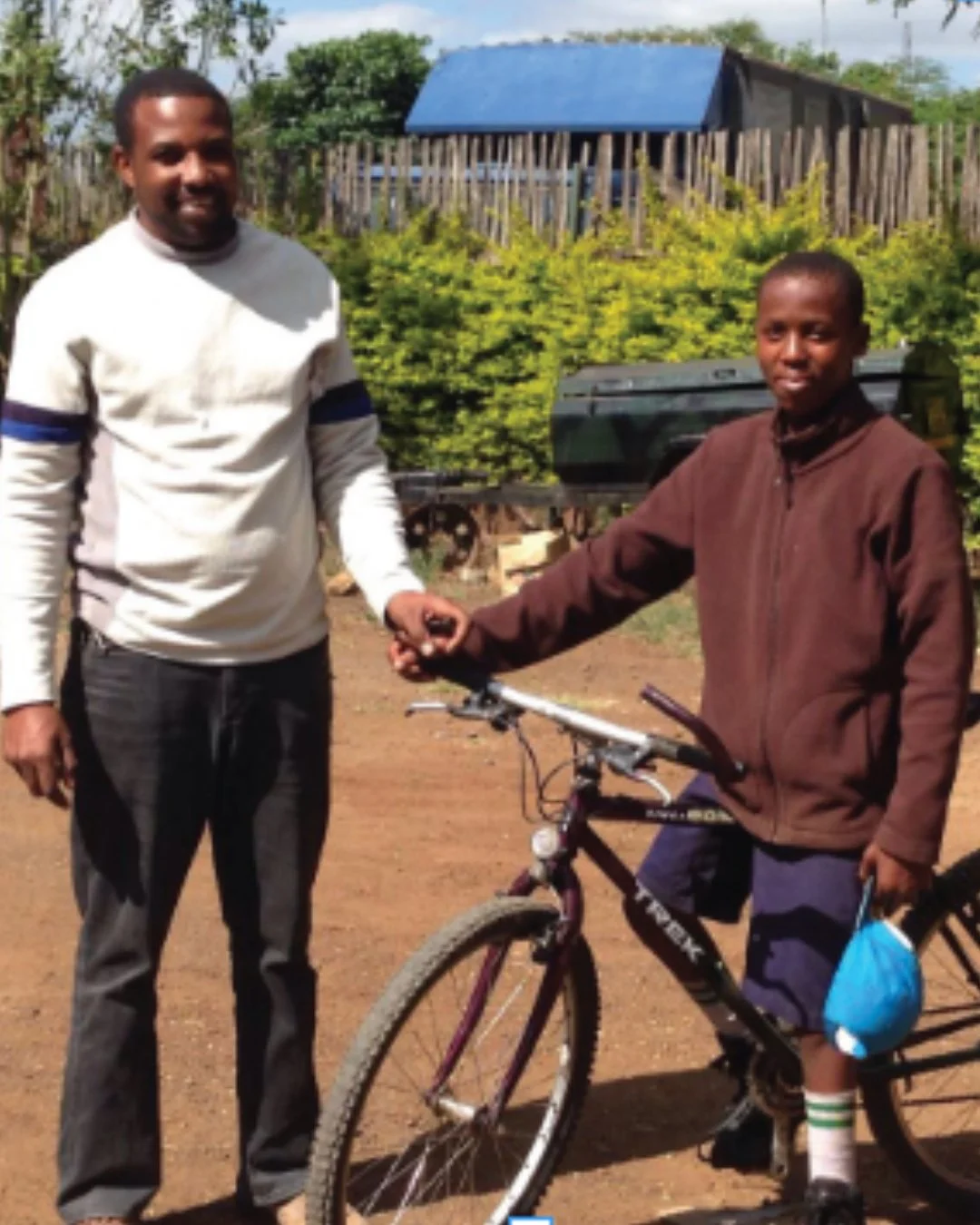
His second surgery was just as successful, and it was during his recovery that a visitor struck up conversation.
After their chat, she offered to train Joseph at their workshop. He learned to become a bicycle mechanic, then earned a certificate in mechanics through a vocational training programme.
Once he was fully healed, he stepped into a new future: he had a job, a place in society, and the means to provide for himself.
Some years later, he met a woman who’d also been born with clubfoot.
She had never received surgery, and though he brought her to Kafika House, her condition was too advanced to be fully corrected. Where many saw disability, Joseph saw resilience - and the two were soon married.
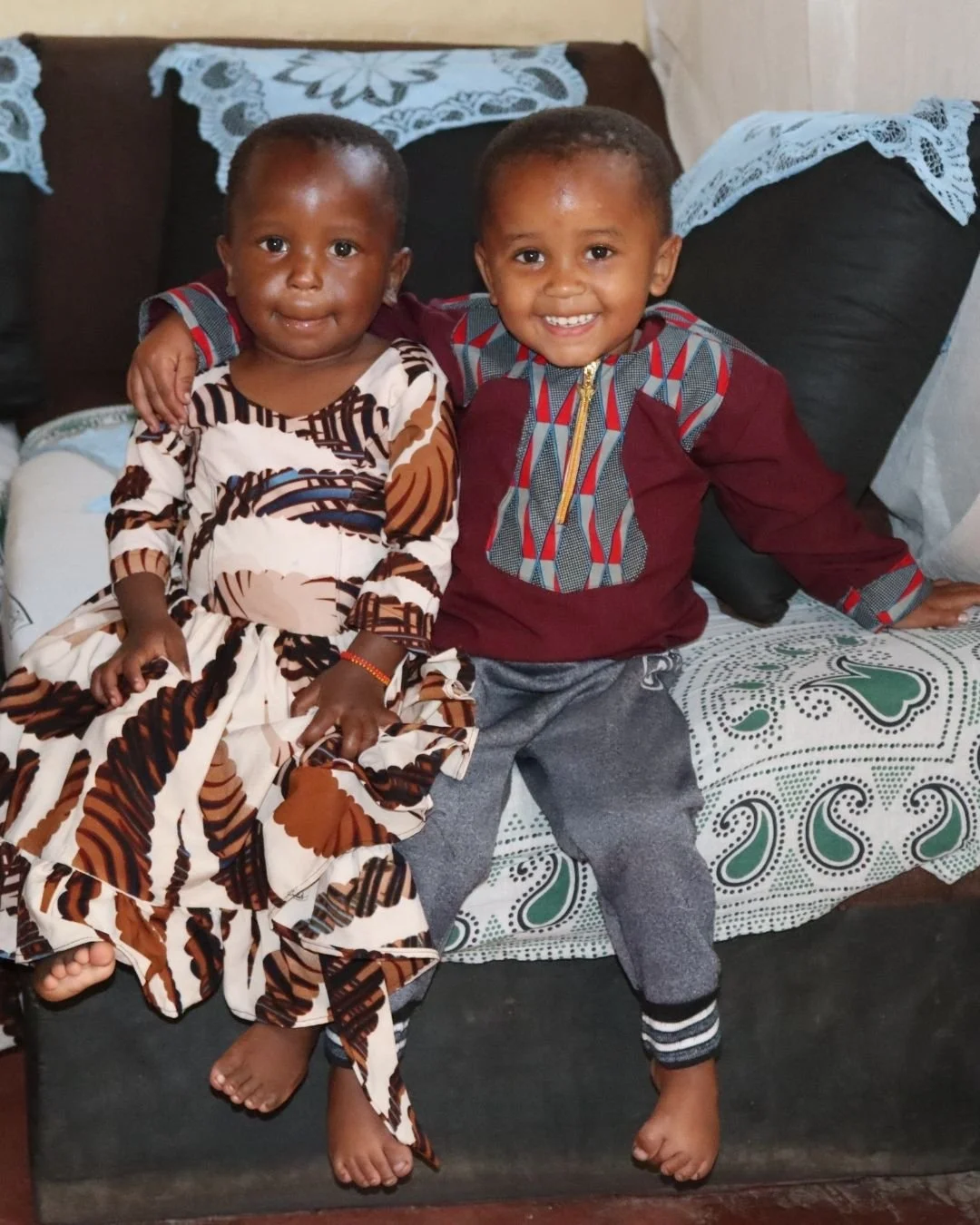
Clubfoot is hereditary, and their first child was born with the same condition as his parents.
Joseph knew what to do: before his son could walk, and before the bullying could start, he brought the boy to Kafika House. By the time he turned three, both feet had been corrected, and now, he runs like any other child.
It was no surprise when their daughter followed suit. We welcomed her with joy, and she received the same love and care as her brother and father before her.
Joseph is among our greatest advocates, and the example he lives shines a light of hope for anyone affected by disability.
He tells parents:
“Don’t hide your children. Don’t be ashamed. Take them to Kafika House. Let them walk. Give them a chance.”
His own life and family are testament to what is possible when children are allowed to step into the futures they deserve.